Advanced Styles and Inspired Influences in Current Dance Floor Wrap Designs
Wiki Article
Cutting-edge trends in modern dance floor wraps have transformed the way performance spaces and dance halls handle surface installation. Floor coverings are no longer just functional materials; they are an essential part of the aesthetic and performance-oriented environment for performers. Recent developments in material technology, such as non-slip synthetic and modular overlay layers, provide both longevity and protection while enabling for intricate designs and color variation. Designers are incorporating modular solutions that allow rapid setup and disassembly, supporting multi-use areas and minimizing ongoing upkeep expenses. These trends reflect a strong focus on functionality combined with aesthetic value, making dance floor wraps both practical and visually engaging.
Artistic inspirations in contemporary floor covering patterns have emerged from multiple artistic disciplines, including structural design, visual arts, and space styling. Linear shapes, visual effects, and dynamic shading patterns are now frequently applied to dance floor wraps to create immersive environments that support performance. These designs are crafted not only to catch the viewer but also to support the performer’s orientation, assisting performers retain positioning and balance during advanced routines. LSI terms such as spatial design, visual depth, and pattern repetition highlight the technical considerations that guide these advanced designs. By drawing inspiration from varied artistic disciplines, creators are producing floor coverings that blend artistry with functionality.
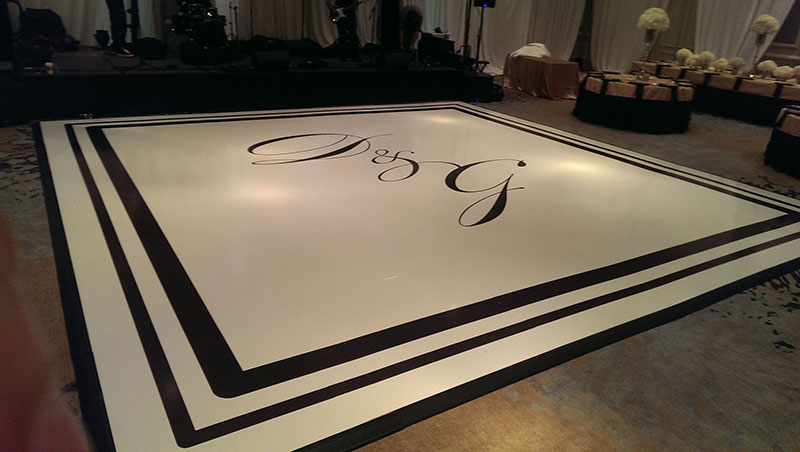
Safety and performance remain critical priorities in the development of modern floor coverings. Innovative padding layers and non-skid finishes are being used to reduce the risk of injury during leaps, turns, and elevations. These protective elements are often paired with detailed printed graphics, demonstrating that safety enhancements do not need to compromise design quality. Many spaces are choosing for floor coverings that are waterproof and low-maintenance, maintaining sanitary conditions are upheld without reducing visual appeal. The balance between safety and artistic expression underscores the value of expertise in crafting dance surfaces for performance areas.
Eco-friendliness and flexibility are growing key focus points in the production of contemporary learn the facts here now floor coverings. Environmentally conscious components, including repurposed plastics and low-emission coatings, are more frequently applied to minimize ecological footprint while maintaining performance standards. Additionally, interchangeable floor designs enable spaces to change patterns and colors seasonally or for specific performances, providing flexibility that extends the lifespan of the flooring. Keywords such as sustainable design, adaptable surfaces, and modular flooring highlight how green design and practical flexibility are shaping Visit This Link the latest trends. This approach aligns with broader movements in interior design and venue management that value both usability and environmental care.
Finally, the incorporation of technology has brought new opportunities for creative floor coverings. Advanced printing, precision cutting, and integrated illumination features enable for highly customized patterns and interactive features. These innovations can produce impactful effects that respond to movement, enhancing the overall dance environment for performers and viewers alike. By merging technical innovation with artistic expression, contemporary dance floor wraps provide a distinctive medium for artistic exploration in performance spaces. The evolution of these designs demonstrates the dynamic intersection of material science, design innovation, and artistic inspiration, establishing new benchmarks for contemporary dance environments.